
HPE Aruba Hospitality WiFi Solutions in Dubai, UAE
A hotel network has to do more than provide an internet signal. It must support guests moving between rooms and shared spaces, employees using operational applications, connected room systems, voice and video traffic, events, conference density and an expanding collection of IoT devices. HPE Aruba hospitality networking can be designed as a coordinated wired, wireless, access-control and management environment rather than a collection of isolated access points.
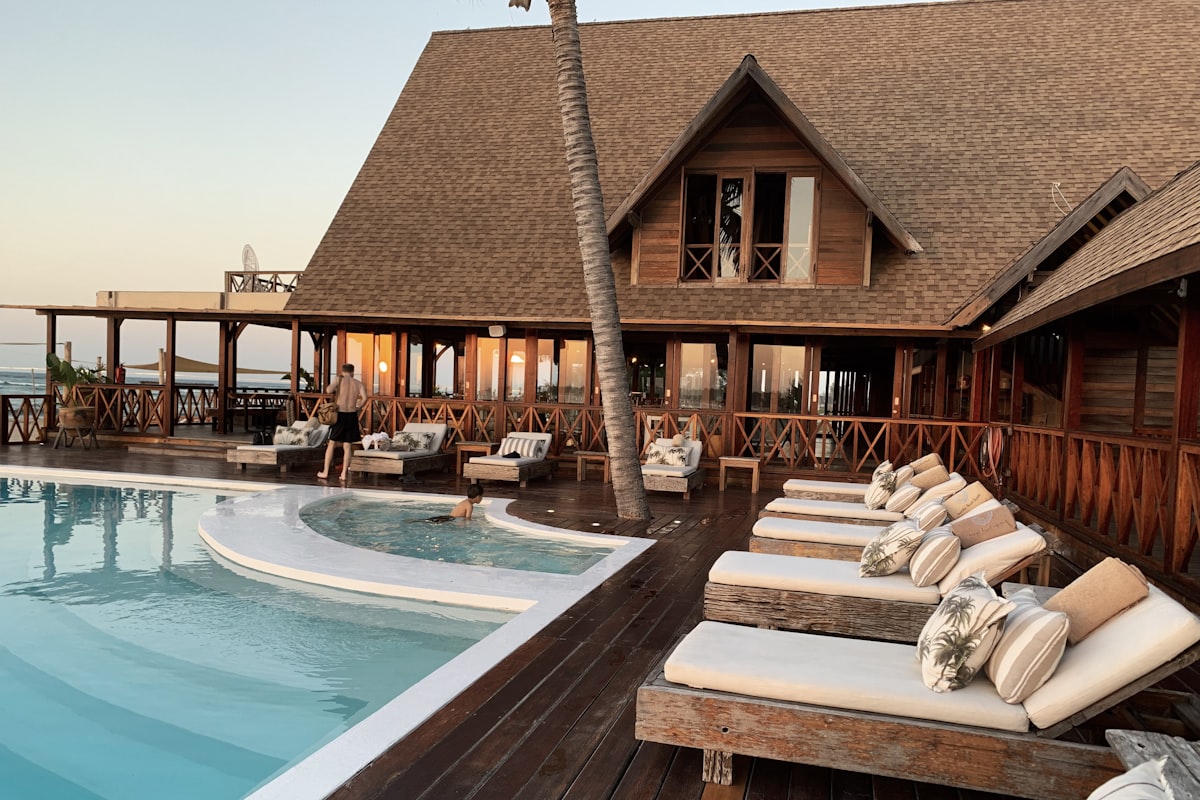
Start with the property, not the access point
Room materials, corridor geometry, elevators, back-of-house spaces, ballrooms, restaurants, outdoor areas, switching, power and internet capacity all influence the design. FourTeck can help turn those requirements into a model, license and implementation plan.
Direct answer for hospitality buyers
HPE Aruba Hospitality WiFi Solutions are enterprise wireless and network components used to create managed connectivity for hotels, resorts, serviced residences and similar guest environments. The main objective is consistent access for guests and staff while allowing different user types, applications and connected devices to be handled with suitable policy and operational visibility. Buyers should consider the platform when they need coordinated wireless coverage, central management, modern guest access and a path from current Wi-Fi generations toward newer deployments. Before proceeding, confirm the property survey, expected device density, room and wall construction, wired switching, PoE capacity, internet circuits, management platform, security policy, guest onboarding method, required licenses and the exact access-point family for each area.
What the solution does
A hospitality wireless design provides the radio coverage and network access needed by room occupants, visitors and hotel teams while connecting back to the wider LAN, internet edge and operational systems. Depending on the selected architecture, HPE Aruba components can support centrally managed access points, wired switching, guest access workflows, role-based policy, visibility and digital-experience monitoring. The final design is not simply a Wi-Fi standard choice. It is a combination of radio placement, capacity planning, switching, power, segmentation, authentication, management and support processes.
For a hotel group, the same architecture can also reduce the operational effort of handling many properties by creating repeatable configuration practices and central visibility. The exact management features depend on the chosen HPE platform, subscriptions, licenses and product generation, so those items should be confirmed in the bill of materials.
Who should consider it
The solution is suitable for hotels planning a new property, refurbishing guest floors, addressing recurring coverage complaints, preparing for higher device density or standardising connectivity across several sites. Resorts with indoor and outdoor zones, serviced apartments with longer-stay guests, conference hotels with variable event density and hotel groups with central IT teams are common use cases.
It is also relevant where operational networks now carry more than laptops and phones. Housekeeping devices, staff communications, point-of-sale endpoints, building systems, door or room technology, cameras and IoT sensors can all influence the network design. Buyers with a small independent property may also compare HPE Networking Instant On hospitality options where the scale, feature set and management requirements are simpler. FourTeck can help determine which route better matches the environment instead of oversizing the project.
Business challenges a hospitality network must address
Uneven room coverage
Guest rooms are separated by walls, doors, bathrooms, mirrors, service shafts and furniture that can change radio behaviour. A corridor-only design can produce strong measurements in the hallway while still leaving weak coverage at the bed, desk or room entrance. The response is an RF design based on actual construction and intended AP placement.
High device density
One occupied room can include several phones, tablets, laptops, streaming devices and wearables. Ballrooms and meeting areas may add hundreds of active clients within a small space. Capacity planning therefore needs to consider airtime, channel use and expected concurrency rather than relying only on square-metre coverage.
Mixed user trust levels
Guests, contractors, employees and connected devices should not automatically receive identical access. Network segmentation, identity, role policy and guest workflows can help separate traffic according to business requirements. The exact policy design depends on authentication methods, existing directory services and the selected networking architecture.
Multi-property operations
Hotel groups often need visibility without placing a large IT team at every property. Central management and monitoring can reduce manual configuration and make it easier to compare sites, but license terms, connectivity, management mode and migration approach must be planned before a standard template is rolled out.
Core capabilities that shape the buying decision
Purpose-built hospitality APs
HPE lists hospitality access-point families designed for room, branch and similar compact deployments, combining wireless and wired connectivity in form factors suited to wall or room placement.
Central management options
HPE Aruba Networking Central can provide centralised onboarding, configuration, monitoring and operational visibility. Current platform support varies by AP family and model, and some new HPE Networking models introduce additional management choice.
Guest and role policy
Guest access, role-based controls and network-access policy can be designed around the property’s security model. ClearPass remains relevant to many enterprise environments, but exact licensing, integration and workflow requirements should be checked for each project.
Experience monitoring
HPE Aruba Networking User Experience Insight is positioned as digital-experience monitoring that tests network and application performance from an end-user perspective, giving IT another way to detect issues beyond basic AP status.
Hospitality solution fit matrix
| Business situation | Relevant assistance | Scope dependency |
|---|---|---|
| New hotel or major refurbishment | RF design, AP family selection, switching, management and security architecture | Floor plans, construction, room count, public-space density and project schedule |
| Existing hotel with Wi-Fi complaints | Coverage review, capacity analysis, interference checks and upgrade planning | Current AP placement, cabling, switch power, firmware and client mix |
| Multi-property hotel group | Standard architecture, central management, template and migration planning | Management platform, license model, WAN design and local property differences |
| High-density ballroom or event venue | Dedicated capacity design and event-specific radio planning | Concurrent attendees, floor layouts, temporary structures and application mix |
| Guest-room technology expansion | Wired/wireless port planning, segmentation and IoT integration review | Device protocols, power requirements, room systems and security policy |
Buyer information table
| Topic | HPE Aruba Hospitality WiFi Solutions |
| Main purpose | Managed wireless and wired access for guest, staff, operational and IoT connectivity in hospitality environments. |
| Suitable for | Hotels, resorts, serviced apartments, residence-style properties, conference hotels and multi-property groups. |
| Current hospitality AP families | HPE Networking 720H Series Wi-Fi 7, HPE Aruba Networking 600H Series Wi-Fi 6E and 500H Series Wi-Fi 6 are current reference points. Exact regional models must be confirmed. |
| Management | HPE Aruba Networking Central is relevant to many deployments; platform support and licensing depend on the selected model and architecture. |
| Guest access and policy | Guest onboarding, role policy and network access can be integrated according to the selected platform, ClearPass requirements and existing identity services. |
| Experience monitoring | HPE Aruba Networking UXI can add end-user-perspective monitoring where required. |
| Installation support | Scope dependent. RF survey, mounting, cabling, switch work, configuration, testing and handover should be defined in the quotation. |
| Availability guidance | Contact FourTeck to confirm current UAE models, licenses, quantities and vendor lead time. |
| Important note | Wireless performance is design dependent. Headline AP data rates are not a promise of guest internet speed and should not replace RF and capacity planning. |
Choosing among current hospitality access-point generations
A hospitality solution page should not mix the strongest numbers from different access points into one specification. HPE currently lists several hospitality families, and each belongs to a different wireless generation and budget or capability position. The practical decision is to match the AP family to the client population, wired infrastructure, 6 GHz strategy, expected lifecycle and management architecture.
720H Series: Wi-Fi 7 path
The current 720H family is designed for hospitality and similar edge deployments. HPE identifies Wi-Fi 7, multigigabit and gigabit wired connectivity, PoE support and integrated Bluetooth and Zigbee as family characteristics. HPE’s product information lists up to roughly 9 Gbps aggregate family performance, while individual 720H models differ in radio configuration, port count and peak rate. The AP-723H is notable because HPE states that it can support either HPE Aruba Networking Central or HPE Mist on the same hardware; other family models have different management-platform support. That distinction matters for buyers standardising future operations.
600H Series: Wi-Fi 6E option
The 600H family adds 6 GHz through Wi-Fi 6E and provides a compact hospitality form factor with wired connectivity. HPE lists flexible use of two bands from 2.4, 5 and 6 GHz, a combined peak data rate up to 3.6 Gbps, a 2.5GbE uplink and PoE support. The value of 6 GHz depends on local regulation, AP region, client support and RF design. A property with many legacy 2.4 or 5 GHz clients will not automatically benefit from 6 GHz everywhere, so device mix and expected refresh cycles should be reviewed before selecting this generation.
500H Series: Wi-Fi 6 reference
The 500H family remains a practical Wi-Fi 6 reference for hospitality deployments where the requirements do not justify newer 6 GHz technology. HPE lists up to about 1.5 Gbps combined wireless data rate, a compact form factor and multiple wired ports on the family. This can be relevant when the primary objective is modernising guest-room coverage and providing wired room connectivity while staying within an established Wi-Fi 6 architecture. Final model, regulatory domain, power and management support still need confirmation.
Configuration, licensing and compatibility dependencies
Hospitality Wi-Fi should be quoted as a solution with dependencies, not as a single access-point line item. Management subscriptions, gateway requirements, security and guest-access components, support contracts, switch licenses and implementation services may vary by architecture. The exact AP model also determines wired ports, radio design, platform support, mounting and power behaviour. Regional SKU and regulatory domain are important, particularly where 6 GHz operation is involved.
Existing switches should be checked for PoE budget, uplink speed, port availability, VLAN or segmentation requirements and current software support. Reusing a switch simply because it can power an AP may create a bottleneck when a newer access point expects multigigabit uplink capacity or different power. Likewise, a captive portal, PMS integration, room-system integration or identity workflow may require third-party coordination and should not be assumed to be included with the access point itself. FourTeck can help document these dependencies before the quotation is finalised.
A practical deployment and purchase journey
Collect property inputs
Share floor plans, room count, construction details, public areas, back-of-house zones, outdoor spaces, event areas, existing cabling and the current network inventory.
Define user and device demand
Estimate occupied-room devices, staff endpoints, meeting density, streaming behaviour, voice, POS, IoT and any room technology that relies on Ethernet or Wi-Fi.
Design RF and switching
Determine AP placement, channel strategy, access-switch requirements, PoE budget, uplinks and VLAN or role-policy needs. A survey may be predictive, onsite or both depending on project stage.
Select platform and licenses
Confirm the exact hospitality AP models, management mode, subscriptions, guest-access approach, policy components, support terms and any monitoring tools.
Install and validate
Mount devices in the planned locations, apply configuration, verify wired and wireless paths, test roaming and guest workflows, and check representative rooms and high-density areas.
Operate and refine
Monitor client experience, utilisation and incidents after opening. Occupancy patterns, event usage and new room devices can justify tuning after real traffic is observed.
Guest-room RF design matters more than a headline speed
Hotels are unusual wireless environments because a large number of users are separated into repeating rooms built from materials that may absorb or reflect radio signals. Bathrooms, mirrors, metal doors, fire-rated walls, service shafts and furniture can all influence the path between a client and an AP. A strong access point mounted at the wrong location can still deliver an inconsistent result. For that reason, hospitality designs often use room-oriented or carefully positioned APs rather than assuming that a corridor signal will penetrate every room equally.
Capacity also changes the design. A room occupied by one guest may create a very different traffic pattern from a family or business group using several streaming, work and personal devices at once. In conference areas, hundreds of users can gather temporarily and compete for airtime. Wireless planning therefore needs both coverage and capacity targets. The number of APs should not be calculated from room count alone, and it should not be copied from another hotel unless the construction, occupancy and service expectations are genuinely comparable.
A FourTeck planning discussion can begin with floor plans and device assumptions, then move to predictive design and onsite validation where appropriate. For an existing property, measurements from representative rooms, corridors, lobbies, restaurants and event spaces can expose where interference, weak signal, channel contention or wired bottlenecks are limiting the service. This approach also helps determine whether a Wi-Fi 6, 6E or 7 upgrade is justified by actual demand.
Central operations for one property or a hotel group
The operational value of a hospitality network becomes more visible after installation. A hotel IT team needs to know whether a complaint relates to the internet circuit, authentication, an AP, interference, client behaviour, switching or an application. When several properties are involved, the same team may also need consistent configuration standards, controlled software changes and a practical way to identify which site is behaving differently.
HPE Aruba Networking Central is designed for centralised management of supported network infrastructure and can simplify onboarding, configuration and monitoring. The exact functions available to a customer depend on the platform generation, subscription and devices in scope. New 720H models also introduce different management choices within HPE’s broader networking portfolio, which makes platform selection an important procurement question rather than an afterthought. A hotel group should decide whether it wants to standardise on one management environment, operate a transition period or evaluate a future migration path before finalising hardware.
Operational planning should also define roles and escalation. Property staff may only need to confirm basic service status, while central IT or a support provider handles configuration and deeper troubleshooting. Documenting who owns internet circuits, switching, wireless, captive portal, PMS integration and guest support prevents incidents from being passed between teams without clear responsibility. FourTeck can include this operating model in solution discussions when required.
Separate guest, staff and IoT needs without creating unnecessary complexity
A hotel can contain very different trust levels on the same physical infrastructure. Guests need convenient access but should not be treated like managed employees. Staff devices may require access to operational systems. Contractors may need temporary connectivity. Room and building devices may communicate only with a small set of services. Cameras, payment-related systems and building controls introduce further policy requirements. Creating one flat network for convenience can make troubleshooting and security more difficult as the environment grows.
HPE Aruba networking architectures can support role-based access, segmentation and guest workflows using the appropriate combination of network infrastructure, policy and identity tools. HPE also positions ClearPass Policy Manager for role- and device-based network access control, including guest capabilities. The correct design depends on whether the property uses corporate identity services, certificate-based authentication, captive portals, third-party guest platforms or device-specific onboarding. Licensing and integration should be confirmed, especially when a hotel wants customised registration, sponsor workflows or integration with other hospitality systems.
The goal is not to create as many networks as possible. It is to create understandable policy boundaries that match operational needs. A design review should identify which users and devices need internet only, which need internal applications, which must be isolated, and which services need to communicate across boundaries. That information drives both the network policy and the bill of materials.
Ideal business environments and use cases
Guest-room modernisation
Replace aging room coverage, improve placement and introduce newer Wi-Fi generations while reviewing switching and power at the same time.
Resorts and mixed spaces
Plan separate indoor, outdoor, pool, lobby, restaurant and back-of-house zones using AP types suited to each environment rather than forcing one model everywhere.
Conference and events
Design for short periods of very high concurrency, temporary floor plans and bandwidth-sensitive business applications in ballrooms and meeting suites.
Multi-property standardisation
Create a repeatable architecture, management model and procurement method while still allowing each hotel’s physical layout and local services to shape the final design.
Serviced apartments
Support longer-stay guests who may use more personal devices, remote-work applications and streaming services than a short-stay room profile.
IoT-enabled hospitality
Prepare the LAN and wireless design for connected room systems, sensors, staff devices and operational technology with suitable segmentation and support ownership.
Integration and operational considerations
Hospitality Wi-Fi rarely operates in isolation. The wireless network connects into access switching, core or aggregation infrastructure, internet services, DNS and DHCP, authentication systems and monitoring. Depending on the property, it can also interact with PMS-related guest workflows, IPTV, voice, point-of-sale systems, digital signage, building management, cameras, door or room technology and third-party guest-engagement platforms. Each integration introduces ownership, security and testing questions.
For example, a guest portal may appear to be a simple web page, but the workflow can depend on internet reachability, DNS behaviour, certificates, authentication logic and the way guest devices handle captive networks. A room TV or phone may need Ethernet connectivity and power from the same hospitality AP or access switch, changing port and PoE requirements. Building sensors may use Bluetooth or Zigbee capabilities, but compatibility with a particular application should be confirmed rather than inferred from the radio alone. The presence of an IoT radio does not automatically make every third-party device interoperable.
Hotel operations also require change planning. Guest connectivity is visible to customers, so firmware upgrades and network changes should be coordinated around occupancy and event schedules. Multi-property organisations may need a standard maintenance method, approval process and rollback plan. Monitoring should cover not only device up/down state but also what representative users are experiencing. HPE Aruba Networking UXI can be considered where end-user-perspective digital experience monitoring is valuable, particularly for properties where the IT team wants earlier indication of application or service degradation.
FourTeck can help define which integrations are part of the network scope and which require third-party coordination. This prevents a quotation from appearing complete while leaving out essential configuration, licenses, cabling, switch upgrades or acceptance testing.
Buyer questions to resolve before ordering
Where must service be reliable?
List guest rooms, suites, lobbies, restaurants, gyms, pools, back-of-house, staff accommodation, meeting rooms, loading areas and any outdoor spaces. Not every zone needs the same AP type or capacity.
What will connect?
Estimate guest devices, staff handhelds, laptops, voice endpoints, TVs, payment devices, cameras, sensors and room technology. Identify which require Wi-Fi, Ethernet or PoE.
Which management model is preferred?
Decide whether central cloud management, an existing HPE Aruba operating model or a new platform strategy is required. This can affect AP selection and subscriptions.
Can the wired network support the design?
Check PoE budget, switch port count, multigigabit requirements, uplinks, VLAN design, switch lifecycle and cabling. A wireless refresh can expose limitations in the LAN beneath it.
How should guests authenticate?
Define whether access is open with encryption, captive portal based, voucher based, identity integrated or connected to a third-party hospitality platform. Legal and data-handling requirements may influence the workflow.
What services belong in the quotation?
Clarify survey, design, staging, installation, configuration, migration, testing, documentation, training and post-deployment support rather than assuming they are included with hardware.
Procurement checklist for a hospitality Wi-Fi quotation
✓ Property name, deployment city and project stage
✓ Guest-room count and representative floor plans
✓ Public, outdoor and high-density spaces
✓ Expected guest and staff device density
✓ Existing AP, switch and gateway inventory
✓ PoE and multigigabit switch requirements
✓ Preferred Wi-Fi generation and lifecycle target
✓ Management platform and subscription term
✓ Guest onboarding and identity requirements
✓ IoT, IPTV, voice and room-system dependencies
✓ Installation, cabling and mounting scope
✓ Testing, documentation and support expectations
How FourTeck can support the planning process
FourTeck can assist businesses that are evaluating HPE Aruba hospitality networking by translating operational requirements into a clearer technical and procurement scope. That can begin with requirement clarification: property size, room count, device density, performance expectations, management preferences, security policies and existing infrastructure. From there, the discussion can move toward the access-point generation, switching, licenses, guest access, monitoring and services that need to be included in a complete quotation.
For new projects, FourTeck can coordinate planning around floor plans and construction information. For an existing hotel, the emphasis may be on assessing weak areas, reviewing the installed network and identifying whether the most important limitation is RF coverage, capacity, cabling, switching, internet bandwidth or operations. This avoids replacing access points while leaving the actual bottleneck untouched.
Buyers can also use FourTeck to compare nearby architecture choices. A property might not require the newest Wi-Fi generation everywhere; another may want a longer lifecycle and 6 GHz capability because its device strategy and project horizon justify it. A multi-property group may prioritise management consistency more heavily than a single independent hotel. These trade-offs should be documented before model selection.
See FourTeck’s technology services, review the wider business technology product range, or send the project requirement for a tailored discussion.
UAE availability and support guidance
Contact FourTeck to confirm current UAE availability for the specific HPE Aruba hospitality models, regulatory-domain SKUs, management subscriptions, accessories and switching required by the project. Availability can vary according to model, quantity, license, region and vendor lead time. Delivery and project coordination should be discussed after the exact bill of materials has been confirmed. Where installation or configuration is required, include those services in the quotation so the project scope, responsibilities and acceptance steps are clear.
For Dubai projects, FourTeck can review the requirement at property level rather than treating the request as a generic access-point order. Businesses in Abu Dhabi, Sharjah and Ajman can follow the same process: provide the destination, property details, floor plans where available, preferred timeline and technical scope. Regional support and project coordination depend on the final requirement, so site visits, installation dates and service coverage should be confirmed as part of the quotation rather than assumed.
GCC Availability
FourTeck can assist GCC organisations that are planning HPE Aruba hospitality Wi-Fi with requirement review, model and license selection, quotation coordination, configuration scope and project planning. A hotel group may be comparing a standard design across the United Arab Emirates, Saudi Arabia, Kuwait, Qatar, Bahrain or Oman, while a single property may only need one destination quotation. In either case, the bill of materials should be validated for the destination because regulatory-domain SKUs, 6 GHz rules, subscriptions, power, logistics and vendor lead times can differ. Product availability, delivery schedules, service visits and implementation scope are not assumed to be identical across GCC markets. Buyers should share the destination country, property type, required quantity, preferred wireless generation, management platform, license term, installation expectations and target schedule so FourTeck can coordinate appropriate guidance. For Kuwait requirements, buyers may also review FourTeck Kuwait technology support.
Africa Availability
Hospitality groups and project teams in Africa can work with FourTeck to evaluate wireless hardware, management subscriptions, switching, accessories, configuration, installation dependencies and support requirements before procurement. Regional planning is particularly important when a property is considering 6 GHz or Wi-Fi 7 equipment, because regulatory support, power, destination logistics and the correct hardware variant must be confirmed for the country involved. Availability and fulfilment can also depend on the model, quantity, license region, shipping arrangements, vendor lead time and local project conditions. Buyers should provide the destination country, hotel or resort profile, room count, expected deployment schedule and any installation or support expectations so the scope can be reviewed properly. FourTeck maintains regional information for Kenya technology projects, Uganda requirements and wider Africa technology coordination.
What hotel buyers are really comparing before they choose a wireless platform
Most hospitality Wi-Fi projects begin with a simple question such as “Which access point should we use?” The better starting point is “What experience must the network deliver in each part of the property?” A guest room, ballroom, staff office, loading area and pool deck create different radio and operational conditions. The access point is one component in a system that also includes wired backhaul, power, internet capacity, identity, policy, monitoring and support. This is why two hotels with the same room count can require different designs.
How many access points does a hotel need?
There is no reliable universal ratio of rooms to APs. Construction, AP placement, channel plan, client density and service targets matter. In-room hospitality APs can create a different design from corridor-mounted campus APs. Ballrooms, restaurants and outdoor spaces may need separate capacity treatment. Use floor plans and survey data rather than a fixed room-count formula.
Is Wi-Fi 7 automatically the right choice?
Not automatically. Wi-Fi 7 can be attractive for a long lifecycle, newer clients, higher capacity and 6 GHz use, but the property also needs compatible devices, suitable switching and an RF plan that can use the capability. Wi-Fi 6 or 6E can remain appropriate where budget, client mix or existing infrastructure points to a different balance.
Buyers also compare how the network will be managed after deployment. A single hotel with local IT may have different priorities from a group managing dozens of properties. HPE Aruba Networking Central can centralise supported network operations, and newer HPE networking products introduce additional platform choices. That means the management decision should be made before hardware is purchased. A hotel group that wants common templates, shared visibility and controlled software changes should confirm which models fit the intended platform and subscription structure.
Another frequent concern is guest login. The best guest experience is not necessarily the most complicated portal. The workflow should match the property’s policy, legal requirements and integration needs. Some hotels only need a straightforward guest network with appropriate isolation, while others want branded captive portals, voucher or registration workflows, sponsor approval, third-party guest platforms or identity integration. ClearPass and cloud guest functions can be relevant depending on architecture, but each integration should be tested against the exact workflow rather than selected because a feature appears on a datasheet.
Hotel teams increasingly ask whether the same network can support room IoT, voice, televisions, staff mobility and building systems. Often it can, but shared infrastructure does not mean shared policy. Wired ports, PoE, VLAN or role design, multicast behaviour, device discovery and third-party compatibility can matter. A hospitality AP with Ethernet and Bluetooth or Zigbee radios can reduce the need for separate edge devices in some designs, but it does not guarantee compatibility with every room platform. The device vendor, network team and integrator should confirm protocols and operational responsibility.
A useful comparison principle
Compare complete outcomes: coverage in representative rooms, client capacity in busy spaces, wired and PoE readiness, management workload, policy design, subscription cost, implementation scope and support ownership. Comparing only access-point price or advertised wireless rate can hide the larger cost of switch upgrades, licenses, cabling, mounting, design and troubleshooting.
Pricing is another area where buyers need context. A hospitality wireless quotation is influenced by AP family, quantity, regulatory-domain SKU, switches, power, management licenses, gateways where required, guest-access components, support, survey work, cabling and installation. Public retail prices for individual APs do not represent a complete hotel solution. For a meaningful Dubai quotation, provide the property size, room count, floor plans, approximate AP quantity if known, preferred platform, existing switches and expected installation scope. FourTeck can then separate mandatory items from optional enhancements.
The same applies to migration. Replacing all access points at once may not be the only approach. A property could upgrade by floor, by building or by problem area, provided the mixed environment is supported and operationally manageable. A new-build hotel can instead design cabling, switch capacity and AP locations before ceilings and finishes are complete. This often creates more flexibility than retrofitting after opening. Hotel groups should also consider whether a new site becomes the template for future properties or must integrate with an existing standard.
Finally, buyers are increasingly interested in how to prove the guest experience after installation. Standard infrastructure monitoring tells IT whether a device is reachable, but it may not show how a user experiences DNS, authentication, SaaS access or an application. HPE Aruba Networking UXI is designed to provide end-user-perspective digital experience monitoring and can be considered for properties that want proactive tests in representative locations. It is an additional operational choice rather than a replacement for sound RF design. FourTeck can help decide whether this type of monitoring belongs in the initial project or a later operational phase.
Decision questions that prevent the wrong hospitality Wi-Fi purchase
Should guest rooms use wall-plate hospitality APs or ceiling APs?
The answer depends on room construction, cabling position, required wired ports and the coverage target. Wall-plate hospitality APs can be useful when room-level wired and wireless connectivity is needed, while ceiling APs can suit other spaces. A survey and floor-plan review should decide placement rather than applying one form factor to the entire property.
What should be checked before moving to 6 GHz?
Confirm local regulatory support, regional AP variants, client-device capability, the intended wireless generation and whether the wired network can support the upgrade. 6 GHz can create valuable additional spectrum, but legacy clients still depend on 2.4 or 5 GHz, so a tri-band strategy must reflect the real device mix.
Can existing PoE switches remain in service?
Possibly, but power alone is not enough. Check per-port PoE capability, total switch power budget, uplink speed, AP Ethernet requirements, switch software, redundancy and available ports. Newer hospitality APs can include multigigabit interfaces, so a 1GbE-only access layer may limit part of the upgrade value.
Do we need ClearPass for every hotel?
No single policy product should be assumed for every property. ClearPass is valuable where role-based access control, device profiling, guest workflows or enterprise identity integration are required, but a smaller or simpler property may have different needs. Confirm the desired authentication and segmentation outcomes first, then select the supporting components.
What information makes a quotation accurate?
Provide floor plans, room count, guest capacity, public-space details, current network inventory, internet circuits, required integrations, management preference, security policy, preferred project timing and whether survey, cabling, installation or migration services are needed. This helps separate hardware quantity from complete project scope.
How should we compare two proposed designs?
Compare AP placement logic, supported client density, channel assumptions, switch and PoE design, management licenses, guest-access method, monitoring, implementation work, support scope and lifecycle. A lower AP count is not automatically a better design if each radio must cover too much space or too many clients.
These questions are especially important in hospitality because the network becomes part of daily guest service. A design that appears economical at purchase can create ongoing support cost if rooms have weak coverage, if the access layer cannot power or backhaul the selected APs, or if guest authentication is difficult to troubleshoot. Conversely, adding every available feature can create unnecessary license and operational complexity. The objective is to choose the simplest architecture that still meets coverage, capacity, policy, integration and lifecycle requirements. FourTeck can help review these trade-offs before the bill of materials is submitted for approval.
Related FourTeck options to consider
Enterprise switching
Review PoE, multigigabit and uplink requirements that support the selected hospitality AP design.
Wireless design and installation
Include survey, deployment, configuration, testing and documentation where the project requires implementation support.
Network security integration
Coordinate guest, staff and IoT segmentation with the wider firewall, identity and access-control environment.
Broader infrastructure planning
Consider servers, storage, communication, surveillance and other infrastructure dependencies around a hotel technology project.
Why businesses contact FourTeck for hospitality networking
Hospitality projects contain enough dependencies that model selection is often only one part of the purchasing decision. FourTeck can help clarify which requirements belong to wireless, switching, guest access, identity, internet services, integration, installation and ongoing support. That makes it easier for IT and procurement teams to compare quotations on the same scope.
Practical assistance can include confirming the right AP family, reviewing regulatory-domain and management-platform requirements, checking whether existing switches are suitable, identifying required subscriptions, planning a bill of materials, coordinating installation scope and preparing migration or testing considerations. Where information is not yet known, FourTeck can identify what needs to be measured or confirmed before ordering rather than filling gaps with assumptions.
This approach is useful whether the buyer is opening one boutique hotel, modernising an established resort or standardising a portfolio. The goal is a quotation that reflects the property and operating model, with availability, delivery coordination and implementation requirements confirmed at the time of purchase. Buyers can also learn more about FourTeck before starting a project discussion.
Frequently asked questions
Is HPE Aruba suitable for hotels in Dubai?
Yes. HPE offers hospitality-focused wireless products and enterprise networking tools that can be designed for hotels, resorts and similar properties. Suitability for a specific Dubai hotel depends on the property layout, density, existing switching, management requirements and the exact models selected.
Which Aruba hospitality AP family should we consider?
Current reference families include the 720H Series for Wi-Fi 7, 600H Series for Wi-Fi 6E and 500H Series for Wi-Fi 6. The right family depends on client mix, lifecycle, 6 GHz strategy, wired infrastructure, budget and management platform. Exact regional models should be confirmed before ordering.
Do we need Wi-Fi 7 for every property?
No. Wi-Fi 7 can be appropriate for new projects and longer lifecycle plans, but Wi-Fi 6 or 6E may still meet the requirements of some properties. The decision should consider device support, capacity, wired backhaul, project horizon and budget rather than the wireless generation alone.
Can Aruba separate guest, staff and IoT traffic?
HPE Aruba networking architectures can support segmentation and role-based access when the appropriate infrastructure, policy and identity components are used. The exact method depends on the selected APs, switching, management platform, authentication and security design.
Is HPE Aruba Networking Central required?
It is relevant to many centrally managed deployments, but the required management mode depends on the selected HPE hardware and architecture. Newer hospitality models can have different platform support, so management choice and subscription requirements should be confirmed before hardware selection.
Can existing switches be reused?
Possibly. Existing switches should be checked for PoE capacity, port speed, uplinks, software support, VLAN or segmentation needs and redundancy. Newer APs may benefit from multigigabit connectivity, so a switch that powers the AP is not automatically the ideal backhaul.
How many access points does a hotel need?
There is no fixed rooms-per-AP number that works for every hotel. AP quantity depends on construction, room geometry, placement, user density, public areas, event spaces and service targets. Floor-plan design and survey data should determine the final count.
Does FourTeck provide installation and configuration?
FourTeck can discuss survey, design, installation, configuration, migration, testing and documentation requirements. The exact services included depend on project scope and should be listed clearly in the quotation.
How do I get UAE pricing and availability?
Send FourTeck the property location, room count, floor plans where available, preferred AP generation, quantity, management requirements and installation scope. FourTeck can then confirm the current UAE models, licenses, availability and quotation based on the actual requirement.
Build the Wi-Fi requirement before you build the bill of materials
Share your hotel size, floor plans, guest capacity, current network, desired management model and project timeline. FourTeck can help identify the right HPE Aruba hospitality path and prepare a requirement-based UAE quotation.