
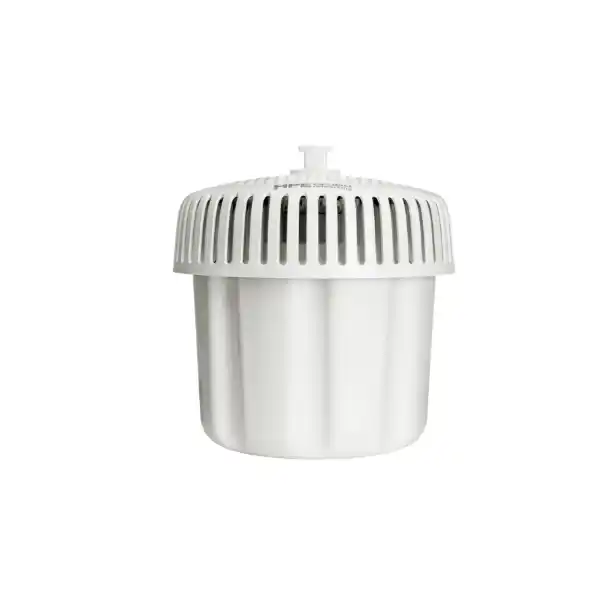
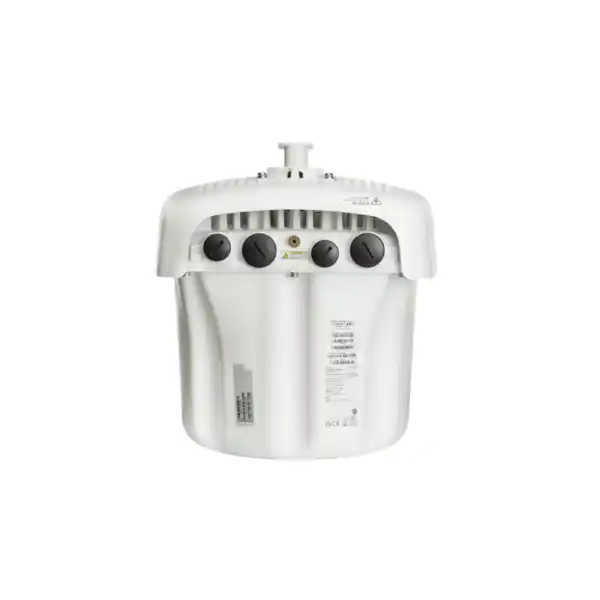
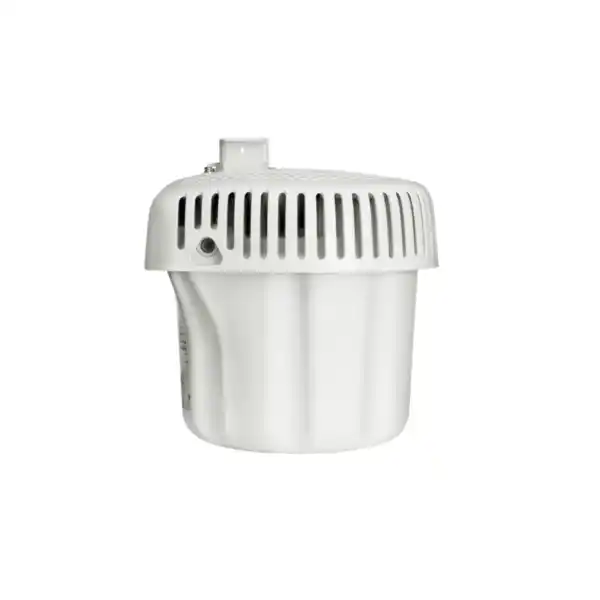
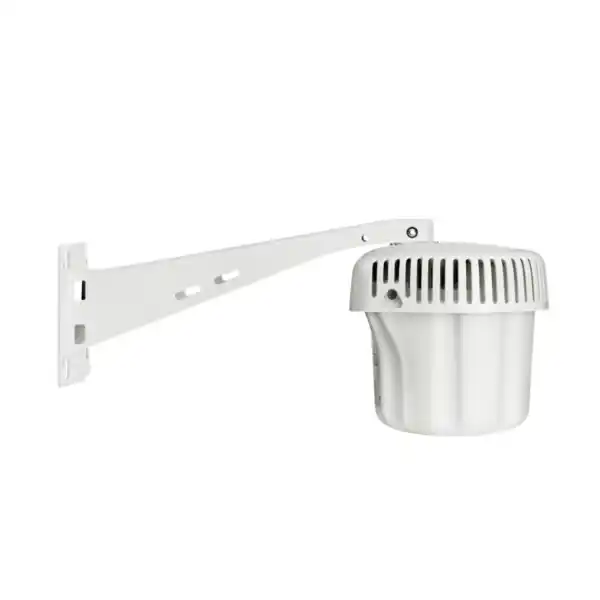
HPE Aruba Networking AP-675 in Dubai, UAE
For an outdoor wireless project, the important question is not simply whether an access point supports Wi-Fi 6E. The real decision is whether its antenna pattern, power budget, uplink design, regional radio variant, management platform and environmental ratings match the site. The AP-675 is built for broad outdoor coverage with integrated omni-directional antennas and concurrent 2.4 GHz, 5 GHz and 6 GHz radios. FourTeck can help UAE buyers confirm the correct RW model, accessories, PoE design and deployment scope before a quotation is finalised.

Direct answer for buyers evaluating the AP-675
The HPE Aruba Networking AP-675 is an outdoor, ruggedised, tri-radio Wi-Fi 6E access point in the 670 Series. It is mainly used to extend enterprise wireless connectivity into outdoor campuses, yards, hospitality grounds, logistics areas and other locations where broad omni-directional coverage is suitable. Organisations should consider it when they need concurrent 2.4 GHz, 5 GHz and 6 GHz operation together with outdoor environmental protection and integrated IoT radios. Before proceeding, confirm the regional SKU, whether local 6 GHz rules allow the intended mode, required PoE power, switch and uplink capacity, mounting hardware, network management architecture, client mix, cable path and surge-protection requirements. The AP-675 is not the same as the directional AP-677, dynamic-directional AP-679 or HazLoc AP-675EX, so antenna and environmental fit should be checked carefully.
What it does
The AP-675 provides enterprise wireless service across three Wi-Fi bands in an outdoor enclosure. Its internal omni-directional antennas are intended to radiate around the access point rather than focus energy into a narrow sector. This makes it relevant to areas where users and devices can approach from several directions, such as courtyards, resort grounds, outdoor seating, logistics compounds, campus walkways and distributed operational spaces. It also includes Bluetooth and Zigbee capability for supported IoT and location use cases, plus an embedded GPS/GNSS function used within the 670 Series location and standard-power design.
Who it suits
The model is a stronger fit for organisations already operating or planning an enterprise Aruba wireless environment and needing outdoor Wi-Fi 6E with integrated antennas. It may suit large offices with external areas, education campuses, hospitality properties, transport and logistics locations, retail compounds, industrial sites outside hazardous-location zones, and mixed indoor-outdoor enterprise networks. Buyers who need a controlled directional pattern, external antennas, explosion-area certification or a simple low-power outdoor AP should compare other models rather than assume the AP-675 is automatically the right choice.
Business problems the AP-675 can help address
Coverage ends at the building edge
Indoor access points are often poorly positioned for courtyards, loading areas, parking approaches and open operational zones. A purpose-built outdoor AP allows the wireless design to extend beyond the façade while accounting for weather exposure, cable entry and mounting.
Outdoor client density is increasing
More mobile devices, scanners, video endpoints and modern 6 GHz-capable clients can raise demand in outdoor spaces. Tri-band operation gives a designer more spectrum options, while legacy clients remain on 2.4 GHz or 5 GHz as appropriate.
The site needs enterprise operational control
Wireless hardware should fit the organisation’s management, security and monitoring approach. AP-675 deployments can be planned within supported HPE Aruba Networking management architectures rather than treated as isolated outdoor radios.
IoT and location services share the outdoor area
Integrated Bluetooth and Zigbee radios can be relevant where sensors, asset-related applications or location services form part of the design. Exact application compatibility and software dependencies should be verified rather than assumed.
Capability band: what matters in a real deployment
Is the AP-675 a good fit for your requirement?
| Requirement | Suitable when | Confirm before ordering |
|---|---|---|
| Broad outdoor wireless coverage | Users or devices are distributed around the AP and an omni-directional pattern is appropriate. | Mounting height, site geometry, obstructions, cell overlap and survey assumptions. |
| Wi-Fi 6E outdoor use | The client roadmap benefits from 6 GHz and regulatory conditions permit the planned operation. | UAE regulatory status, standard-power/AFC requirements, software support and client capability. |
| High-speed uplink | The switching layer can support the AP’s wired options and expected traffic. | 2.5GbE switch port, PoE class, fibre/SFP design, cabling and surge protection. |
| Outdoor IoT integration | Bluetooth or Zigbee capabilities align with the IoT platform and application. | Software support, sensor ecosystem, radio design and operational ownership. |
| Hazardous industrial location | The normal AP-675 is only suitable where standard outdoor environmental ratings are sufficient. | If hazardous-location certification is required, evaluate the AP-675EX rather than this standard model. |
Verified technical information for the AP-675
| Brand | HPE Aruba Networking |
|---|---|
| Product | AP-675 outdoor access point, 670 Series |
| UAE / Rest-of-World model | AP-675 (RW), HPE SKU S0P51A |
| Deployment type | Outdoor, ruggedised and hardened |
| Wi-Fi generation | Wi-Fi 6E / 802.11ax with 6 GHz support |
| Radio architecture | Tri-radio, concurrent 2.4 GHz, 5 GHz and 6 GHz, 2×2 MIMO |
| Peak aggregate data rate | Up to 3.9 Gbps under supported configuration and radio conditions |
| Channel widths | 2.4 GHz: 20/40 MHz; 5 GHz: 20/40/80 MHz; 6 GHz: 20/40/80/160 MHz |
| Antenna type | Integrated tri-band omni-directional antennas |
| Nominal AP-675 antenna gain | Approximately 3.8 dBi at 2.4 GHz, 5.7 dBi at 5 GHz and 5.9 dBi at 6 GHz in current HPE technical information; final RF planning should use the applicable current data sheet and antenna patterns. |
| Wired network interfaces | One 2.5GbE RJ-45 network port plus one SFP fibre port |
| Power | 802.3at or 802.3bt PoE source supported; power mode can affect enabled capabilities. Confirm Class 6 / 802.3bt design for unrestricted operation requirements. |
| IoT support | Bluetooth and IEEE 802.15.4/Zigbee radios; exact application support depends on software and ecosystem. |
| Location features | Embedded GPS/GNSS receiver and 802.11 FTM support |
| Environmental protection | IP66/67; rated for outdoor operation |
| Operating temperature | -40°C to +70°C without solar loading; -40°C to +65°C with solar loading |
| Operating altitude | Up to 3000 m in current HPE QuickSpecs |
| Regulatory model | APEX0675 |
| Software support | Supported HPE Aruba Networking wireless operating systems and management methods are release dependent. Current HPE data indicates Wireless Operating System 10.7.0.0 for AP-675 and support in 8.12.0.0, while Instant OS 8.12.0.0 does not provide 6 GHz support. Confirm target software before procurement. |
| Availability | Contact FourTeck to confirm current UAE availability, quantity, regional variant and vendor lead time. |
Configuration, power and regulatory dependencies
An outdoor Wi-Fi 6E deployment has dependencies that are easy to overlook during a hardware-only comparison. The AP-675 can operate from 802.3at or 802.3bt PoE sources, but HPE’s design supports feature reduction when less power is available. Therefore, the correct question is not only whether an existing switch can turn the AP on; it is whether the switch can deliver the power class needed for the planned feature set while maintaining enough PoE budget across all connected devices. Where full functionality is expected, review Class 6 / 802.3bt power and total switch budget.
The 6 GHz radio also has a regulatory dependency. HPE describes the 670 Series as operating as a standard-power device and using an Automated Frequency Coordination service where required before 6 GHz is enabled. Local rules, approved frequencies, software support and HPE regional settings must therefore be checked for the UAE deployment. The 2.4 GHz and 5 GHz radios can continue to provide service independently of whether 6 GHz is authorised, but a buyer should not purchase the AP on the assumption that every 6 GHz capability is usable in every country and software mode.
Finally, mounting and cabling matter. Outdoor Ethernet runs should be engineered for exposure and surge conditions, and HPE’s ordering guidance recommends shielded twisted-pair cabling for proper surge protection. If the access point is powered from an indoor PoE switch, the outdoor path may require appropriate surge-protection design. Fibre via SFP can be valuable where copper distance, electrical isolation or site topology makes it preferable, but the transceiver choice and power architecture still require engineering confirmation.
A practical purchase and deployment journey
Define the outdoor service area
Map user zones, mounting points, line-of-sight obstructions, traffic needs, client types and whether users surround the AP or sit mainly in one direction.
Check model and region
For UAE planning, validate the AP-675 RW SKU S0P51A, current radio-domain rules, 6 GHz support and any project-specific compliance requirements.
Build the power and uplink design
Confirm 802.3bt or other acceptable power, switch PoE budget, 2.5GbE capability, SFP requirements, cable type and outdoor surge protection.
Select mounting and accessories
Choose a compatible pole, wall, hanging or ceiling approach based on the antenna orientation, structure, wind exposure and maintenance access.
Align software and security
Confirm the intended Aruba management platform, software release, policy architecture, authentication design, monitoring and IoT integration.
Quote the complete bill of materials
Request the AP, mounts, power components, optics if needed, licenses or subscriptions where applicable, installation scope, configuration and delivery coordination as one reviewed requirement.
Tri-band capacity without treating every client the same
One of the AP-675’s main design advantages is that 2.4 GHz, 5 GHz and 6 GHz can be considered separately rather than forcing every device into a single radio strategy. Many outdoor networks are mixed environments: handheld terminals may rely on 2.4 GHz for compatibility and range, newer phones and laptops may use 5 GHz, and modern Wi-Fi 6E clients can use 6 GHz where permitted. The AP’s tri-radio architecture gives the wireless designer more freedom to distribute those device types, but the practical result still depends on RF planning, channel allocation, client behaviour, transmit power limits and interference conditions.
The 6 GHz band can support wider 160 MHz channels, which can be valuable for high-throughput or latency-sensitive applications. Wider is not automatically better. In a multi-AP outdoor environment, a designer may deliberately choose narrower channels to increase channel reuse and reduce co-channel contention. That decision should be driven by the site survey, expected client density and performance objective rather than by the maximum channel width on the data sheet.
For buyers, this means the peak 3.9 Gbps aggregate figure is useful for positioning the model but should not be treated as an application throughput guarantee. Real client rates depend on distance, modulation, channel width, protocol overhead, number of spatial streams, client capability and traffic concurrency. FourTeck can help translate those technical variables into a practical AP count and network design rather than sizing only from headline throughput.
Omni-directional coverage and why mounting orientation matters
The AP-675 uses integrated tri-band omni-directional antennas. That makes procurement simpler than a connectorised model because there is no separate external Wi-Fi antenna selection, but it does not remove the need for antenna planning. Omni-directional does not mean identical signal strength in every direction or at every elevation. HPE provides antenna patterns because the physical orientation of the AP affects where RF energy is concentrated. Current HPE technical information notes that the built-in antennas are optimised for a horizontally mounted orientation and indicates a modest downtilt around the area of maximum gain.
This is especially important outdoors because mounting height can easily become excessive. An AP installed too high may create a strong footprint that does not align with user height or may cover an unnecessarily large area, increasing contention. An AP installed too low can face obstructions, tampering risk or poor line of sight. The correct mounting approach therefore balances RF coverage, physical security, access for maintenance, weather exposure, cabling, structural loading and wind conditions.
If the requirement is to cover a road, loading lane, narrow yard or distant sector, the AP-675’s omni pattern may be less efficient than a directional model. HPE’s AP-677 uses integrated directional antennas and the AP-679 uses dynamic directional antenna behaviour. Where external antennas are needed for a specialised pattern, the connectorised AP-674 is a different option. These models should be compared by site geometry, not simply by numerical specifications.
Outdoor resilience, power and operational continuity
Outdoor access points are exposed to temperature swings, dust, moisture, wind and electrical risks that do not exist in a typical office ceiling. The AP-675 is rated IP66/67 and is specified for a broad temperature range, including operation from -40°C to +65°C with solar loading. Those ratings are relevant in the Gulf, where direct sunlight and elevated ambient temperature can materially affect electronic equipment. The environmental rating, however, does not remove the need for correct installation. Cable glands, mounts, drainage orientation, earthing, surge protection and approved installation practices all contribute to a reliable deployment.
Power planning is equally important. HPE supports both 802.3at and 802.3bt PoE sources for this series, but reduced power can cause features to be disabled or radio capability to be reduced. A procurement list that includes only AP quantity without switch power calculations can therefore create surprises during commissioning. The total PoE budget of the switch, cable distance, injector placement if used and outdoor surge-protection plan should be checked together.
For sites where fibre is preferred, the SFP interface can be part of the design, especially where the AP is separated from switching infrastructure by distance or electrical conditions. Optics, media, network topology and the separate power path still need confirmation. In other words, the AP-675 should be treated as an outdoor infrastructure endpoint rather than a stand-alone gadget.
Where the AP-675 can fit well
Enterprise campuses
Paths, courtyards, gathering areas and outdoor collaboration zones can benefit from coordinated wireless coverage when the AP placement is integrated with the indoor WLAN design.
Hospitality and leisure properties
Pool areas, outdoor dining, landscaped spaces and event zones can create demand for high-capacity guest and operational connectivity. Coverage targets and client density should be defined before AP count is set.
Logistics and distribution sites
Yards, loading approaches and outdoor staging areas may rely on handhelds, vehicles, cameras or mobile operational devices. Roaming, antenna placement and interference from structures require site-specific design.
Education and research campuses
Outdoor learning, common areas and campus circulation spaces can become part of the managed wireless network, helping maintain consistent authentication and policy across indoor and outdoor zones.
Retail compounds and mixed-use properties
Outdoor entrances, pickup zones, staff areas and customer spaces may need reliable WLAN coverage linked to the broader enterprise network and security policy.
Non-hazardous industrial outdoor zones
Factories and process sites can use the standard AP-675 in suitable non-HazLoc areas. Where explosive-atmosphere certification is required, the AP-675EX or another certified design must be assessed instead.
Integration and operational considerations
A new outdoor AP should fit the operating model of the network team. HPE lists on-premises, public-cloud, virtual-private-cloud and as-a-service management approaches across the 670 Series, but exact licensing and software requirements should be confirmed for the chosen architecture. Existing controller or gateway versions, Aruba Central tenancy, policy design, monitoring, logging, firmware lifecycle and change-control processes should all be checked before deployment.
Security capability also depends on architecture. The wider Aruba platform supports features such as WPA3, Enhanced Open and dynamic segmentation, but the way those features are implemented can depend on software, gateway design, role assignment and licensing. Buyers should describe the intended SSIDs, authentication sources, guest access, IoT segmentation, captive portal, RADIUS integration and network policy when requesting configuration assistance.
If location or IoT features are part of the business case, include that requirement at the design stage. The AP’s Bluetooth, Zigbee and positioning capabilities are useful only when the rest of the software and application ecosystem can consume them. A procurement request that says only “outdoor Wi-Fi” may miss those integration dependencies, while a short discovery call can identify them before equipment is ordered.
Buyer questions to resolve before requesting a quote
Share a plan, approximate dimensions, mounting points and any buildings, metal structures or foliage that may obstruct RF coverage.
If users are concentrated in a specific direction, compare directional alternatives before selecting the AP-675.
List key device families and confirm both client support and the permitted 6 GHz operating conditions for the deployment country.
Check per-port power and aggregate switch budget, not only whether the switch label says PoE.
Provide the current Aruba architecture and software release so compatibility and licensing can be reviewed.
Clarify whether the quotation should include mounting, cabling, optics, surge protection, configuration, testing, survey work or documentation.
Procurement checklist for an AP-675 project
- Confirm AP-675 (RW) S0P51A for the UAE requirement and verify current radio-domain guidance.
- State the exact quantity and whether spares are part of the project.
- Provide outdoor coverage areas, drawings and preferred mounting locations.
- Confirm whether omni-directional coverage is appropriate versus directional models.
- Review 802.3bt / Class 6 power requirement and total PoE budget.
- Choose compatible pole, wall or hanging mount hardware.
- Decide whether 2.5GbE copper, SFP fibre or another uplink approach will be used.
- Specify shielded outdoor cabling, earthing and surge-protection requirements.
- Confirm Aruba management platform, software version and required subscriptions or licenses.
- Document SSIDs, authentication, segmentation and guest-access requirements.
- Identify Bluetooth, Zigbee, location or sensor integration requirements.
- State whether survey, installation, configuration, testing and handover are required.
- Confirm delivery destination, target schedule and any site-access restrictions.
- Request current warranty and support guidance for the exact regional SKU and project.
How FourTeck can support product sizing and quotation
FourTeck can help turn a model request into a usable bill of materials. For the AP-675, that usually starts with the number and shape of outdoor areas, expected user and device density, mounting options, current switching environment, available PoE budget and management platform. From there, the requirement can be checked for regional SKU, mounting accessories, power components, uplink design, configuration scope and related services.
This is especially useful when a buyer is replacing an older outdoor AP. A one-for-one hardware replacement is not always the right design because antenna patterns, 6 GHz behaviour, power draw, uplink speed and software support may differ from the previous model. A project review can identify whether existing mounts or switch ports remain suitable and whether cabling or software needs to be changed.
For broader network projects, explore the FourTeck technology product portfolio, review available deployment and support services, or contact FourTeck with your bill-of-material requirement. The quotation can then reflect hardware, accessories and service scope instead of leaving critical components to be discovered during installation.
UAE availability and support guidance
HPE currently lists the AP-675 (RW) model S0P51A on its UAE store, which provides a useful regional reference for UAE procurement. That does not mean every quantity is continuously available or that a fixed delivery time can be assumed. Contact FourTeck to confirm current UAE availability, applicable accessories, lead time, quote validity and any project-specific licensing or service requirements. Availability can depend on model, region, quantity and vendor supply conditions.
For a useful quotation, provide the number of access points, delivery location, expected project date, preferred management platform, power-source details and whether installation or configuration is required. FourTeck can coordinate the requirement around the exact project rather than presenting an unverified stock claim.
Dubai, Abu Dhabi, Sharjah and Ajman project coverage
Businesses planning outdoor wireless deployments in Dubai, Abu Dhabi, Sharjah and Ajman can discuss hardware selection, quotation coordination and project scope with FourTeck. The same AP model can serve very different environments across offices, schools, warehouses, hospitality properties, commercial developments and industrial sites, so the correct bill of materials should be based on the physical site and operational requirement. Delivery coordination, installation planning and configuration scope can be discussed after the required quantity, location, network architecture and target schedule are known. For multi-site projects, it is useful to provide a site list and identify which locations share the same design so product quantities, mounts and power requirements can be consolidated accurately.
GCC Availability
For GCC projects, FourTeck can assist businesses that need to evaluate the HPE Aruba Networking AP-675 as part of an outdoor wireless requirement across markets such as the United Arab Emirates, Saudi Arabia, Kuwait, Qatar, Bahrain and Oman. The practical process is to confirm the destination country first, because radio variants, 6 GHz rules, product availability, licensing, service scope and vendor lead times can differ by market. Buyers should share the exact model requirement, quantity, intended mounting environment, preferred management platform, power design and expected deployment schedule. FourTeck can then help coordinate model review, quotation planning, accessories, configuration scope and installation planning where required. Cross-border procurement should not be based on an assumption that the same SKU or regulatory setting is suitable everywhere. Delivery timing, onsite work and support arrangements remain dependent on destination, project size, local conditions and the agreed quotation.
Africa Availability
Organisations planning outdoor Aruba wireless deployments in Africa can engage FourTeck for requirement review, model selection, accessory planning, configuration scope and procurement coordination. Projects in East Africa, including Kenya and Uganda, as well as other African markets may have different radio regulations, vendor routes, shipping conditions, power standards and onsite-service constraints. For the AP-675, buyers should provide the destination country, required quantity, site type, intended 6 GHz use, preferred management platform, power source, mounting requirements and target deployment period. FourTeck can help assess whether the RW variant or another regional option is appropriate and can discuss related licenses, mounts, power accessories and implementation assistance. Availability and fulfilment depend on the destination, model, quantity, regulatory environment, shipping arrangements, vendor lead time and local project conditions. No assumption should be made about local inventory, customs outcomes or guaranteed onsite coverage without a confirmed project review.
Related options to evaluate with the AP-675
AP-674 connectorised outdoor AP
Consider when the project requires external antenna selection rather than integrated omni-directional coverage. Antenna choice and regional compatibility must be engineered.
AP-677 directional outdoor AP
A relevant comparison where the target area sits mainly in one direction and a focused integrated antenna pattern is more appropriate.
AP-675EX HazLoc model
Evaluate for suitably certified hazardous-location requirements. Do not substitute the standard AP-675 where explosion-area certification is mandatory.
Outdoor mounting kits
HPE ordering guidance lists multiple pole, wall, hanging and tilt mounting options. Select the bracket according to the structure and antenna orientation.
802.3bt power and surge accessories
Outdoor midspan and surge-protection components may be relevant where switch PoE, cable path or environmental protection requires a dedicated design.
Wireless design and configuration services
For sites with uncertain AP count, roaming or mounting constraints, survey and configuration assistance can be more valuable than buying hardware from a model list alone.
Why businesses contact FourTeck for this requirement
The value of assistance is practical: confirming the right regional model, checking whether an omni-directional AP fits the coverage geometry, identifying the power and mounting accessories that are easy to omit, and ensuring the access point can join the intended management and security architecture. FourTeck can also help align product selection with installation and configuration requirements so procurement receives a bill of materials that reflects the actual project.
If the AP-675 is part of a larger refresh, FourTeck can review related switching, cabling, firewall, network-access and support needs. Learn more about FourTeck business technology solutions, the FourTeck approach to technology projects, or share a multi-site project requirement for review.
Planning an AP-675 deployment: the details buyers commonly need
Outdoor enterprise Wi-Fi searches often start with a model number and quickly expand into questions about the right variant, PoE, 6 GHz regulations, mounting, management software and whether an omni-directional AP is suitable for the physical area. The following guidance focuses on those practical decisions rather than repeating the headline specifications.
Start with the antenna pattern, not the speed figure
A common buying mistake is choosing an outdoor access point because it has the newest Wi-Fi generation or a high aggregate rate without first checking the area that must be covered. The AP-675 is the integrated omni-directional model in this part of the 670 Series. That is useful when users and devices are distributed around a mounting point. It can be less efficient when the real target is a long corridor, road, loading lane or one-sided courtyard. In those situations, a directional AP may put more RF energy where it is needed and reduce unnecessary coverage behind the installation point.
For a serious design, provide a site plan showing building faces, mounting heights, expected user locations and outdoor obstacles. Metal walls, container stacks, vehicles, glazing, trees and changes in elevation can alter coverage substantially. A predictive design is useful at the planning stage, while an onsite survey can validate assumptions where the environment is complex. The objective is to meet application performance and roaming targets, not to maximise the number of APs or force a specific model into every outdoor zone.
Understand what Wi-Fi 6E changes outdoors
Wi-Fi 6E extends 802.11ax operation into 6 GHz. For capable clients, that creates access to additional spectrum and can allow wider channels with less legacy-device contention. The AP-675 supports up to 160 MHz channel widths in the 6 GHz radio. In practice, whether those channels are used depends on the regulatory domain, network design and client population. A large outdoor network may choose narrower channels so neighbouring APs can reuse spectrum more effectively.
The AP-675 is also described by HPE as a standard-power outdoor device. Where regulations require it, the AP uses Automated Frequency Coordination before enabling the 6 GHz radio so incumbent services are protected. Buyers should therefore ask two separate questions: “Does this access point support 6 GHz?” and “Can the planned 6 GHz mode be enabled at my exact deployment location under current local rules and software?” The first is a product capability; the second is a deployment condition.
The AP can accept 802.3at or 802.3bt PoE, but lower power can reduce available functions. Ask for the required operating mode and then confirm per-port and total switch budget.
Check switch port speed, cable category, distance and upstream capacity. A multigigabit AP connected to a constrained switching path will still be limited by the path.
For UAE projects, HPE lists the RW variant S0P51A. Do not substitute US, Japan, Israel, Egypt or TAA variants without confirming regulatory and procurement requirements.
Mounts and outdoor cabling are part of the product decision
The access point itself is only one line in the bill of materials. HPE ordering guidance includes long and short pole/wall mounts plus hanging or tilt options. The right bracket depends on the structure and the intended antenna orientation. The cable design should also include outdoor exposure, earthing and surge protection. Where the AP is powered from an indoor switch, an outdoor surge-protection strategy may be required. If fibre is used on the SFP interface, the optics and power arrangement must be specified together.
Software support can change the usable feature set
A buyer upgrading from an older Aruba installation should not assume the AP-675 will join every existing software release without change. HPE’s current data sheet lists specific Wireless Operating System versions for the AP-675 and notes that Instant OS 8.12.0.0 does not provide 6 GHz support. Management may be on-premises, cloud or another supported architecture depending on the solution. Before ordering, identify the existing platform, controller or gateway version, subscription status and planned upgrade window.
Quote preparation is faster when the site information is complete
A useful quote request should include the destination, quantity, area drawings, current switch models, available PoE, whether fibre is needed, management platform, SSID and security requirements, mounting preferences and service scope. If the project includes multiple sites, identify repeated site types and exceptional locations. This allows equipment and service lines to be grouped logically and reduces the risk that power, mount or licensing dependencies are discovered after hardware approval.
Questions that help prevent the wrong outdoor AP purchase
Do I need AP-675 or AP-677?
Choose based on coverage geometry. AP-675 uses integrated omni-directional antennas and is suited to areas surrounding the AP. AP-677 uses integrated directional antennas and may be more appropriate when users are concentrated in one direction. A site plan and mounting position are more useful than comparing only throughput numbers.
Can I power it from an existing PoE+ switch?
The 670 Series supports 802.3at and 802.3bt PoE, but available features can change under lower power. If the requirement assumes unrestricted radios, USB or other functions, review the exact power mode and switch budget before relying on the existing switch. A power injector may be an option where suitable.
Will every device use the 6 GHz radio?
No. Only compatible Wi-Fi 6E clients can use 6 GHz, and regulatory authorisation must also allow the planned operation. Existing Wi-Fi 5, Wi-Fi 6 or older devices continue to rely on 2.4 GHz and 5 GHz as supported. A client inventory helps estimate how much immediate value the 6 GHz radio will provide.
Does an IP66/67 rating mean installation details no longer matter?
No. The enclosure is designed for outdoor conditions, but mounting, cable glands, surge protection, earthing, cable routing and mechanical installation still determine whether the completed system is appropriate for the site. Environmental ratings do not compensate for incorrect installation practices.
Can the AP-675 be used in hazardous industrial areas?
The standard AP-675 should not be treated as a HazLoc model. HPE has separate AP-675EX variants for certified hazardous-location use. The site safety classification and applicable approvals should be reviewed by the responsible engineering and safety teams before equipment is selected.
What information gives FourTeck enough detail to quote accurately?
Provide the destination country, quantity, preferred AP model or coverage objective, existing switch and PoE information, mount type, management architecture, expected client count, 6 GHz requirement, installation scope and target schedule. If those details are not yet known, FourTeck can help structure a discovery checklist before the final bill of materials is prepared.
Frequently asked questions about the HPE Aruba Networking AP-675
1. Is the AP-675 an indoor or outdoor access point?
It is a ruggedised outdoor access point in the HPE Aruba Networking 670 Series. It is designed for exposed and environmentally challenging locations and carries IP66/67 protection in current HPE specifications.
2. Which UAE SKU should buyers check?
HPE’s UAE store lists the AP-675 (RW) as SKU S0P51A. Always confirm current regional suitability, availability and project requirements before placing the order.
3. Does the AP-675 support Wi-Fi 6E and 6 GHz?
Yes. It is a tri-radio Wi-Fi 6E model supporting 2.4 GHz, 5 GHz and 6 GHz. Use of the 6 GHz radio remains dependent on local regulation, standard-power/AFC requirements where applicable, software and client capability.
4. What antenna type does it use?
The AP-675 uses integrated tri-band omni-directional antennas. If the project needs external antennas, a connectorised model such as AP-674 should be reviewed instead. If focused coverage is needed, compare directional models.
5. What wired uplinks are available?
Current HPE information lists a 2.5GbE RJ-45 network interface and an SFP fibre interface. The switch, optics, cable distance and network capacity should be designed around the selected uplink method.
6. What PoE source is required?
The series supports 802.3at or 802.3bt PoE, but reduced power can affect available features. For a full-feature design, confirm the power mode and Class 6 / 802.3bt budget with the current HPE guidance and the actual switch.
7. Does the AP-675 include Bluetooth or Zigbee?
Yes, the platform includes integrated Bluetooth and IEEE 802.15.4/Zigbee functionality for suitable IoT and location-related applications. Application support depends on the management software and IoT ecosystem.
8. Is AP-675 the correct model for hazardous locations?
Not by default. HPE provides AP-675EX variants for hazardous-location use. If the site is classified for explosive atmospheres, confirm the exact certification and safety requirement before procurement.
9. Are mounting brackets included?
Mounting requirements should be checked as part of the bill of materials. HPE’s ordering guide lists several compatible outdoor pole, wall, hanging and tilt mounting kits. The correct kit depends on the installation structure and desired orientation.
10. How can I get a Dubai or UAE quotation?
Send FourTeck the required quantity, destination, deployment type, preferred management platform, power and mounting information, plus any installation or configuration scope. FourTeck can confirm current UAE availability and prepare a requirement-based quotation.
Plan the AP-675 as part of the whole outdoor wireless system
A correct AP-675 order should cover the regional model, quantity, mounting, PoE, uplink, software, regulatory conditions and deployment services required by the site. Share your drawing or bill of materials with FourTeck so these dependencies can be reviewed before the quotation is finalised. Current availability and delivery coordination can then be confirmed for the UAE requirement.

Reviews
There are no reviews yet.